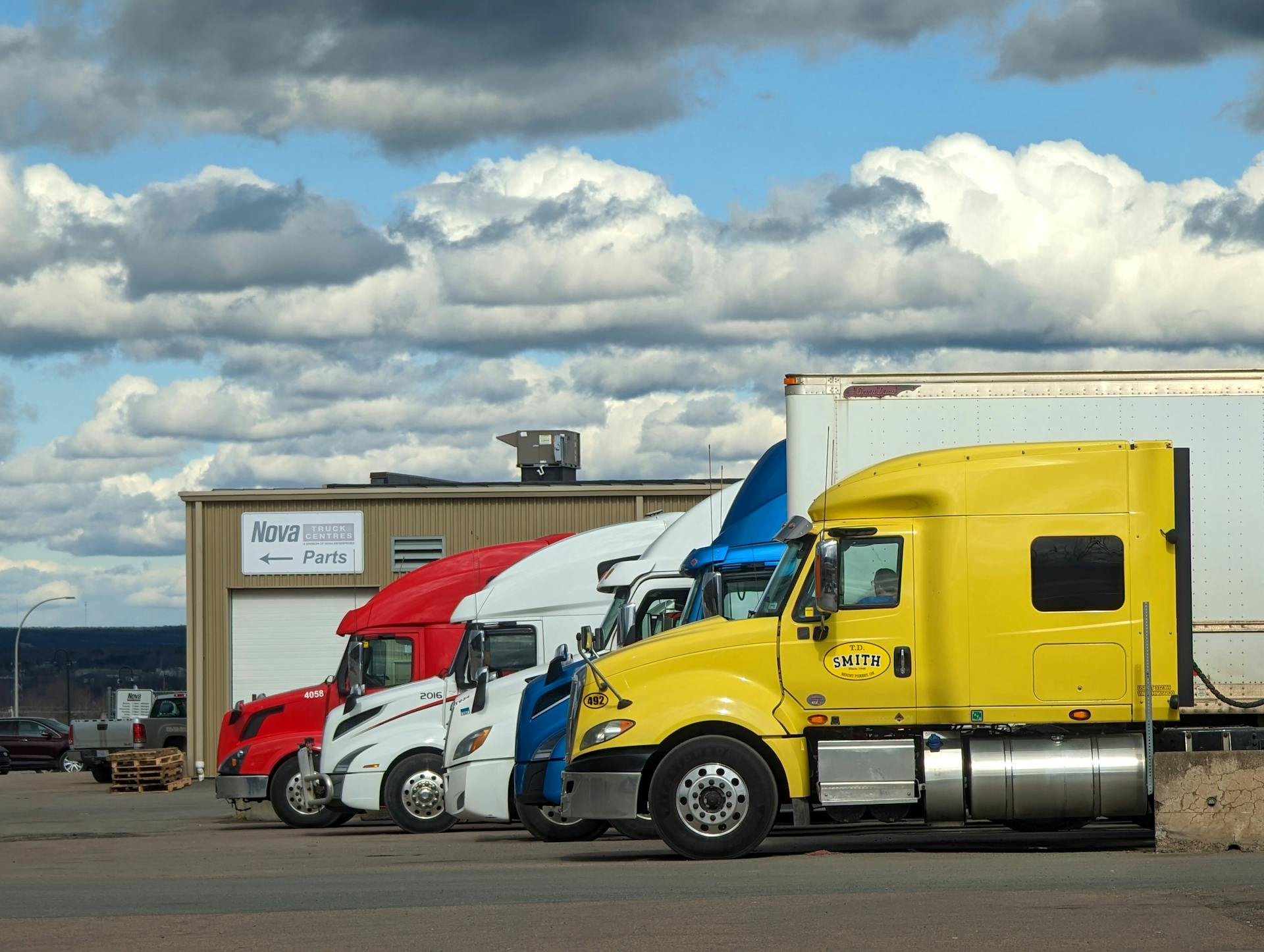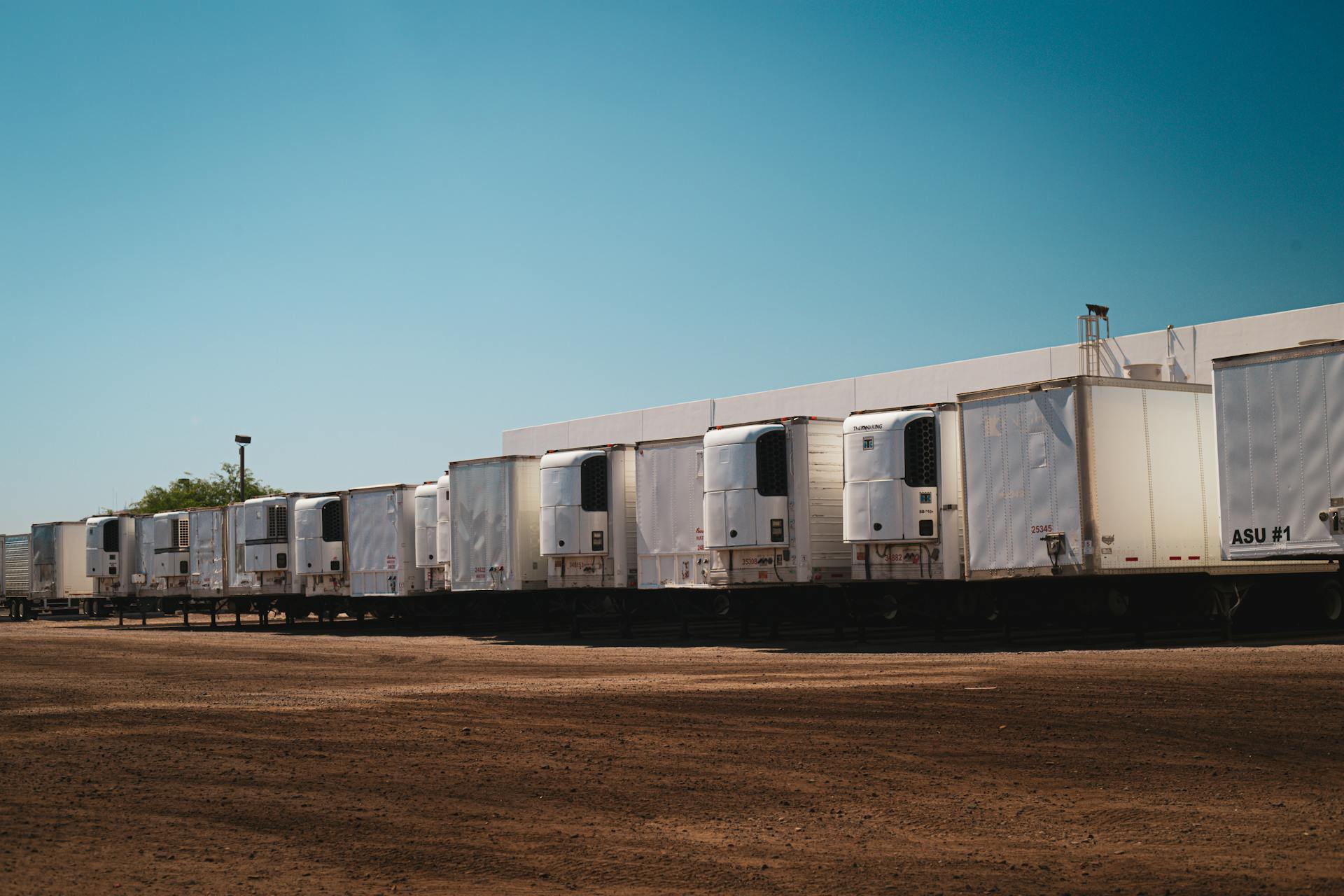
FTL vs. LTL Shipping: Which One Is Right for Your Freight?
The differences between full truckload (FTL) and less-than-truckload (LTL) shipping, how pricing works for each, the 2025 freight class changes, and simple rules for choosing between them.
Resources
Practical guides for new trucking company owners, owner-operators, drivers and shippers. We use official sources like FMCSA and the IRS and link to them in every article.
The differences between full truckload (FTL) and less-than-truckload (LTL) shipping, how pricing works for each, the 2025 freight class changes, and simple rules for choosing between them.

Everything a shipper needs to book a full truckload shipment, from the details to have ready for a quote to the bill of lading, pickup day, tracking, delivery and payment.
A plain-English checklist for new trucking company owners in South Carolina, from forming your LLC to getting your USDOT number, operating authority, insurance, IRP, IFTA and UCR.
What goes into a full truckload rate, from distance, lane and equipment to fuel surcharges, accessorial charges and timing, plus practical ways shippers can lower their freight costs.
What a USDOT number is, what an MC number (operating authority) is, who needs each one, what they cost, and what is changing with FMCSA's new Motus registration system.
What happens during the FMCSA new entrant safety audit, the 16 violations that cause an automatic failure, and a checklist to prepare your records before the auditor calls.
The 11-hour, 14-hour, 30-minute break and 60/70-hour rules in plain English, plus the 34-hour restart, sleeper berth split and short-haul exception for property-carrying drivers.
A shipper's guide to the three most common truck trailers, what each one hauls, typical sizes and weight limits, and how to choose the right one for your load.