Shipping
How Truckload Freight Rates Are Calculated: A Shipper's Guide
What goes into a full truckload rate, from distance, lane and equipment to fuel surcharges, accessorial charges and timing, plus practical ways shippers can lower their freight costs.
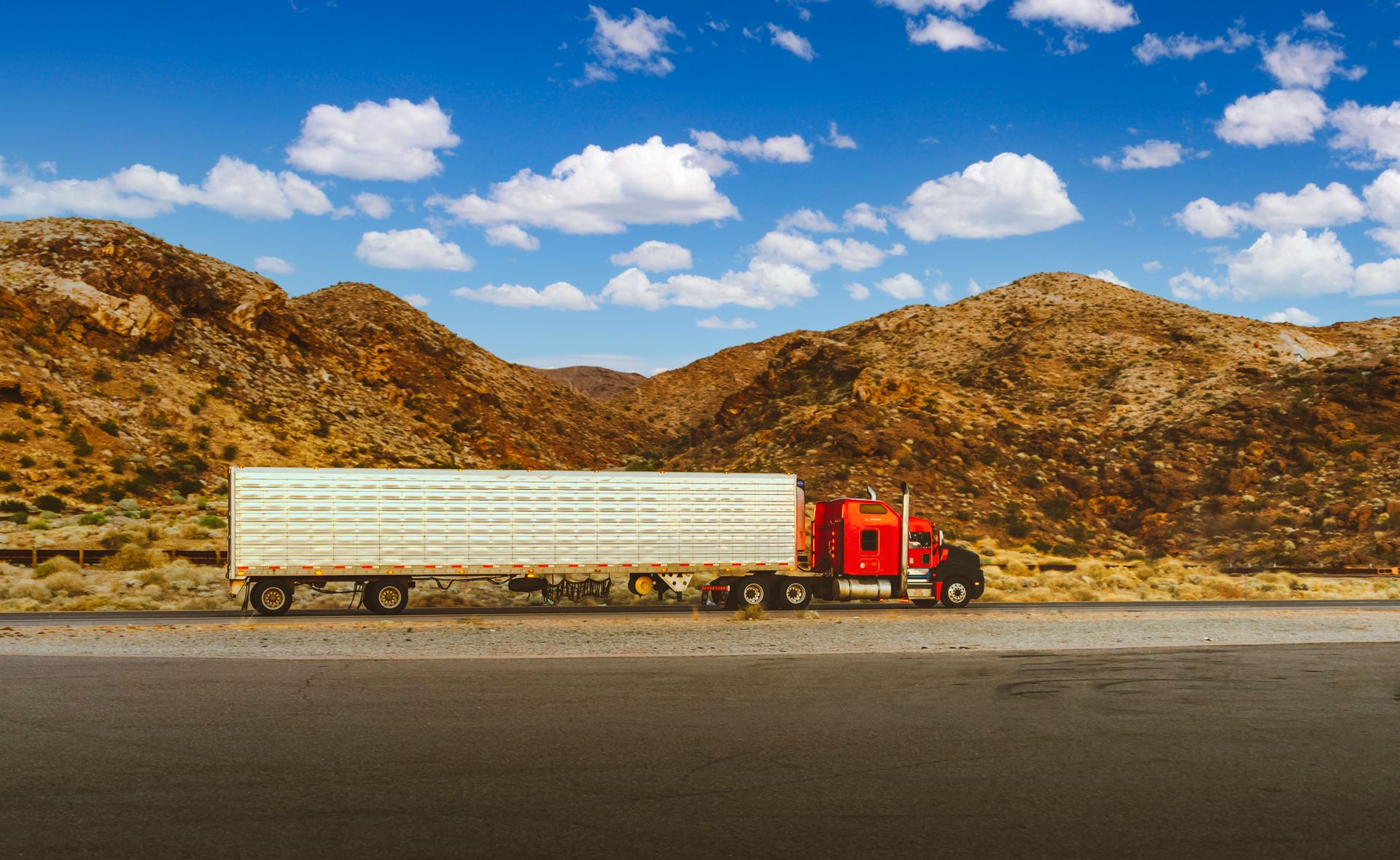
Two shipments of the same weight, going the same distance, can get very different truckload quotes. That's not random. A full truckload (FTL) rate is built from a handful of factors, and once you know them, you can plan shipments that cost less and move more reliably.
The basic formula
Most truckload quotes come down to:
Linehaul rate + fuel surcharge + accessorial charges = total cost
- Linehaul is the base price to move the truck from pickup to delivery. It is often quoted as a flat rate or as a rate per mile.
- Fuel surcharge adjusts for the price of diesel.
- Accessorials are extra charges for extra work or time, such as waiting at a dock or making an extra stop.
Some carriers quote an all-in rate that rolls everything together. Always ask what is included.
1. Distance and the lane
Distance matters, but the lane (the specific origin and destination) often matters more.
Trucks need a load going back out of wherever they deliver. If you ship into an area that sends out lots of freight, carriers can easily find their next load, so your rate is usually lower. If you ship into an area with little outbound freight, the carrier may have to drive empty ("deadhead") to its next pickup. That cost gets built into your rate.
That's why a load from a major freight market can cost a different amount than the same load going the other way.
Short trips often cost more per mile, because the truck spends a bigger share of its day loading, unloading and waiting rather than driving.
2. Equipment type
The trailer your freight needs affects the price:
- Dry van is the most common and usually the lowest-cost option.
- Refrigerated (reefer) costs more: the unit burns fuel, the equipment costs more, and there is more risk.
- Flatbed often costs more because of securement work, tarps, and the skill needed to load it safely.
Not sure which you need? See our guide to dry van vs. reefer vs. flatbed.
3. Supply and demand
Truckload pricing is a market. When there are more loads than available trucks, rates go up. When trucks outnumber loads, rates come down. Common pressure points:
- Season: produce season in spring and summer, retail peak in the fall, and holidays all tighten capacity.
- Day of week and month: end of month and end of quarter can be busy as shippers push to hit targets.
- Weather and events: storms, hurricanes and disasters can pull trucks out of normal lanes quickly.
4. Fuel surcharge
Diesel is one of a carrier's biggest costs. Instead of changing the base rate every time fuel moves, many carriers add a fuel surcharge that rises and falls with diesel prices.
Many fuel surcharge programs are tied to the U.S. Energy Information Administration's weekly on-highway diesel price, which EIA surveys every Monday. Your contract or quote should spell out how the surcharge is calculated. Ask if it doesn't.
5. Weight and the freight itself
A truckload rate generally covers the whole trailer, so weight usually matters less than in LTL shipping. But it still matters:
- Very heavy loads burn more fuel and can limit which trucks can haul them. A standard tractor-trailer is limited to 80,000 pounds gross, truck included.
- High-value, fragile or hazardous freight may need extra insurance, special handling or a hazmat-qualified driver.
- Oversize freight needs permits and sometimes escorts.
6. Timing and lead time
- Booking early gives the carrier time to plan. Same-day or next-day loads usually cost more.
- Tight or overnight delivery windows may require team drivers.
- Flexible pickup and delivery windows make your freight easier to fit into a driver's schedule, which helps your rate.
7. Accessorial charges
These are charges for extra work or time. Ask about them up front so there are no surprises on the invoice:
| Accessorial | What it is |
|---|---|
| Detention | Waiting time at pickup or delivery beyond the agreed free time |
| Layover | Driver has to wait overnight because the load can't be picked up or delivered as planned |
| Stop-off charge | Each extra pickup or delivery stop |
| Driver assist / lumper | Driver helps unload, or a third-party crew unloads |
| Tarp charge | Tarping flatbed freight |
| TONU (truck ordered, not used) | Shipment canceled after the truck was dispatched |
| Liftgate / inside delivery | Special delivery service where there is no dock |
Detention is one of the most common surprise costs. Fast loading and unloading is one of the easiest ways to keep carriers happy and your costs down.
How shippers can lower their freight costs
- Give accurate details: weight, dimensions, pallet count, commodity, and pickup and delivery hours. Surprises cost money.
- Book ahead when you can.
- Be flexible on pickup and delivery windows.
- Load and unload quickly to avoid detention.
- Build consistent freight. Regular, predictable loads on the same lanes can earn better rates from a dedicated carrier.
- Be a "shipper of choice." Good communication, ready freight and quick payment help you get trucks when capacity is tight.
Get a quote
Falcon Eye Trucking quotes dry van, reefer and flatbed truckload freight across the lower 48 with clear, all-in pricing. Request a free quote and tell us what you're shipping.
Sources
- U.S. Energy Information Administration: Gasoline and Diesel Fuel Update
- FHWA: Federal size regulations for commercial motor vehicles
This guide is general information, not legal, tax or compliance advice. Rules and fees change, so check the official sources linked above before you file anything. Last reviewed October 14, 2026.
Need freight moved, or looking to drive?
Falcon Eye Trucking is a South Carolina carrier with 24/7 dispatch. Call (201) 582-0223 or reach out online.