Shipping
Dry Van vs. Reefer vs. Flatbed: Which Trailer Does Your Freight Need?
A shipper's guide to the three most common truck trailers, what each one hauls, typical sizes and weight limits, and how to choose the right one for your load.
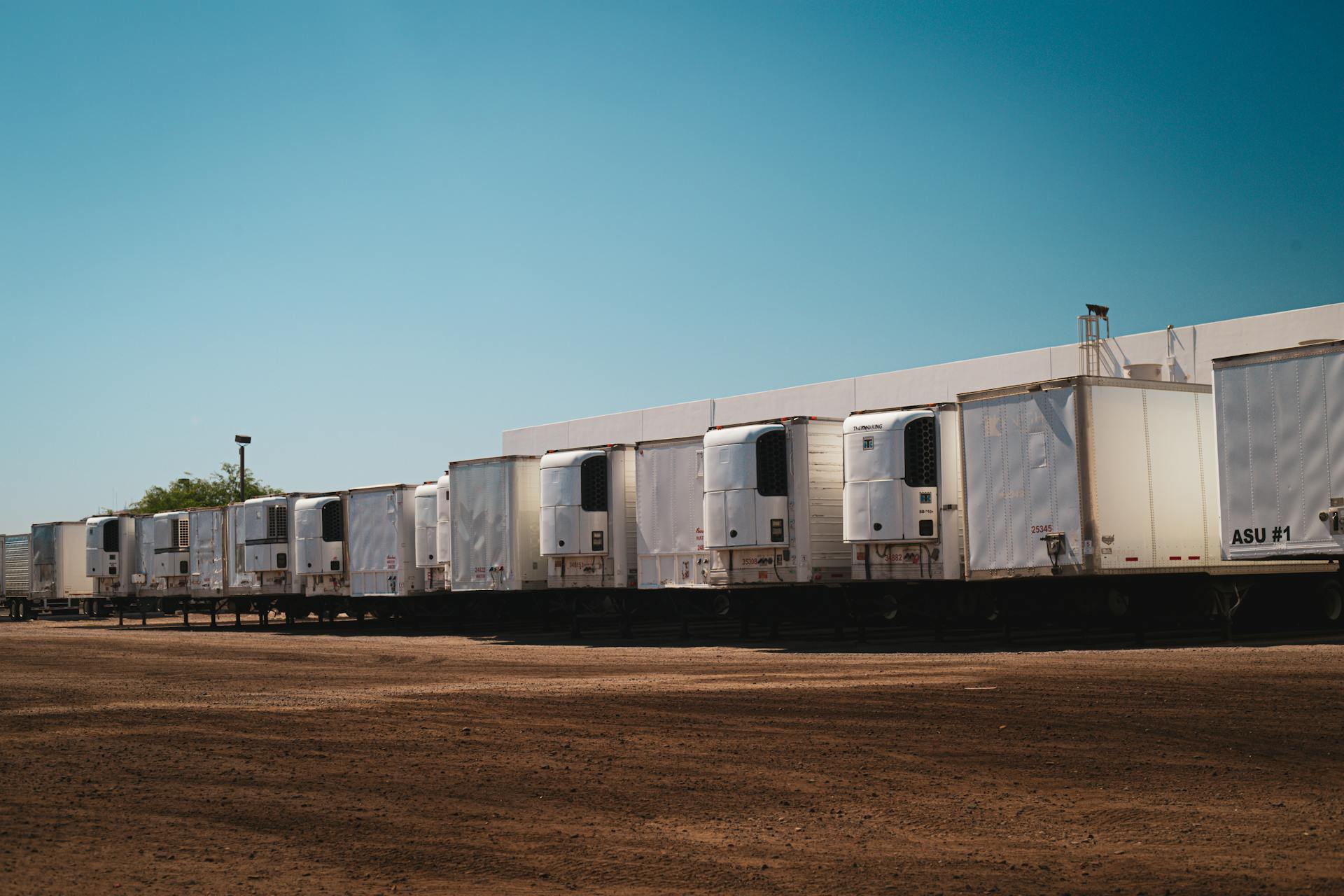
Booking a truck starts with one question: what kind of trailer does your freight need? Pick the wrong one and you could pay too much, damage your product, or get a truck that cannot load at your dock.
Here is a simple guide to the three trailers that move most freight in the U.S.
Dry van
A dry van is the enclosed box trailer you see on every highway. It protects freight from weather, road debris and theft.
Best for: palletized and boxed goods, retail and consumer products, packaged food that does not need temperature control, paper, electronics and household goods.
Typical size (53-foot trailer):
- Inside length: about 52.5 feet
- Inside width: about 8 feet 2 inches
- Inside height: about 9 feet
- Holds about 26 standard pallets (48 x 40 inches) on the floor
- Typical maximum cargo weight: about 42,000 to 45,000 pounds, depending on the truck's own weight
Loading: usually from the back at a dock door. If you do not have a dock, ask about a liftgate or a smaller truck.
Refrigerated (reefer)
A reefer is an insulated trailer with its own refrigeration unit. It can keep freight cold, frozen or even warm.
Best for: fresh produce, meat, seafood, dairy, frozen food, flowers, pharmaceuticals, and anything that must stay within a temperature range. Reefers are also used to protect freight from extreme heat or cold in winter.
Typical size (53-foot trailer): similar to a dry van, but a little narrower and shorter inside because of the insulation. It still fits about 26 pallets. Usable cargo weight is often a bit lower than a dry van because the refrigeration unit and fuel add weight.
What to tell your carrier:
- The exact temperature setting (for example, 34°F or -10°F)
- Whether the unit should run continuous or start-stop (cycle)
- Whether the trailer needs to be pre-cooled before loading
- Any temperature recording or download requirements
Flatbed
A flatbed is an open trailer with no sides or roof. Freight can be loaded from the sides, top or back, usually with a forklift or crane.
Best for: steel, lumber, building materials, machinery, pipe, and oversized or odd-shaped freight that will not fit through a dock door.
Typical size:
- Length: 48 or 53 feet
- Width: 8.5 feet (102 inches)
- Typical legal freight height: about 8.5 feet on a standard flatbed
- Typical maximum cargo weight: about 48,000 pounds
Securement: flatbed freight is held down with straps, chains and binders, and often covered with tarps. Tell your carrier if your load needs tarps, edge protection or special handling.
Related trailers: a step deck has a lower rear deck for taller freight, and a removable gooseneck (RGN) lowers to the ground for heavy machinery. Freight that is too wide, tall or heavy for normal limits needs oversize permits.
Quick comparison
| Dry van | Reefer | Flatbed | |
|---|---|---|---|
| Enclosed | Yes | Yes, insulated | No |
| Temperature control | No | Yes | No |
| Loading | Back, at a dock | Back, at a dock | Sides, top or back |
| Typical pallets (53 ft) | About 26 | About 26 | Varies by freight |
| Typical max cargo | About 42,000–45,000 lbs | Often a little less | About 48,000 lbs |
| Typical cost | Lowest | Higher (fuel for the unit) | Higher (securement, tarps) |
All weights are typical. The legal limit for a standard 5-axle tractor-trailer is 80,000 pounds gross, which includes the truck, trailer and fuel, so the cargo weight you can ship depends on the equipment.
How to choose
Ask yourself:
- Does it need a set temperature? If yes, you need a reefer.
- Can it be loaded from the back at a dock, on pallets? If yes, a dry van is usually the most affordable choice.
- Is it too big, heavy or awkward for a dock door? Then you need a flatbed or a specialized trailer.
Still not sure? Give the carrier the commodity, weight, dimensions, number of pallets, and pickup and delivery details, and they will recommend the right equipment.
Get a quote
Falcon Eye Trucking runs dry van, reefer and flatbed freight across the lower 48 with 24/7 dispatch. Request a quote and tell us what you are shipping.
Sources
This guide is general information, not legal, tax or compliance advice. Rules and fees change, so check the official sources linked above before you file anything. Last reviewed October 14, 2026.
Need freight moved, or looking to drive?
Falcon Eye Trucking is a South Carolina carrier with 24/7 dispatch. Call (201) 582-0223 or reach out online.